HRC60 2-flute ball nose end mill is a tool designation to consider for finishing 3D contours in hardened steel. Use the workpiece drawing, material specification and current tooling details to confirm fit and select a candidate for a trial.
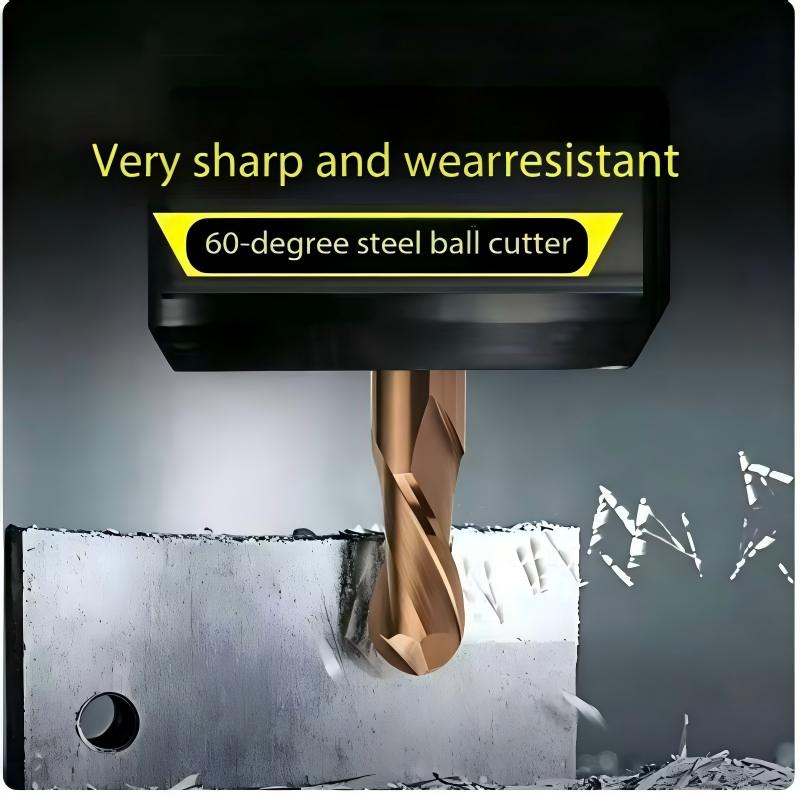
Check cutter geometry and reach
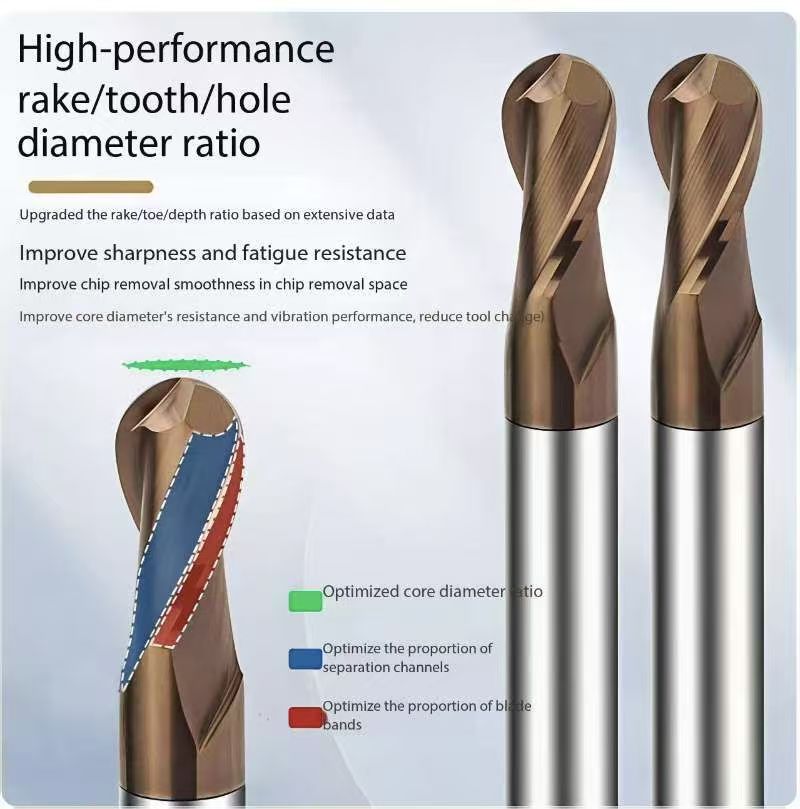
Confirm ball diameter, flute length, usable reach and workpiece hardness. Effective cutting diameter changes with the depth and point of contact on the ball, so use the tool maker’s data for the intended contour and toolpath.
Evaluate the milling setup
Record stepover, axial engagement, tool stickout and runout. Measure finish and check for tool marks across flat, steep and blended surfaces before approving the production toolpath.

Request a quote or application review
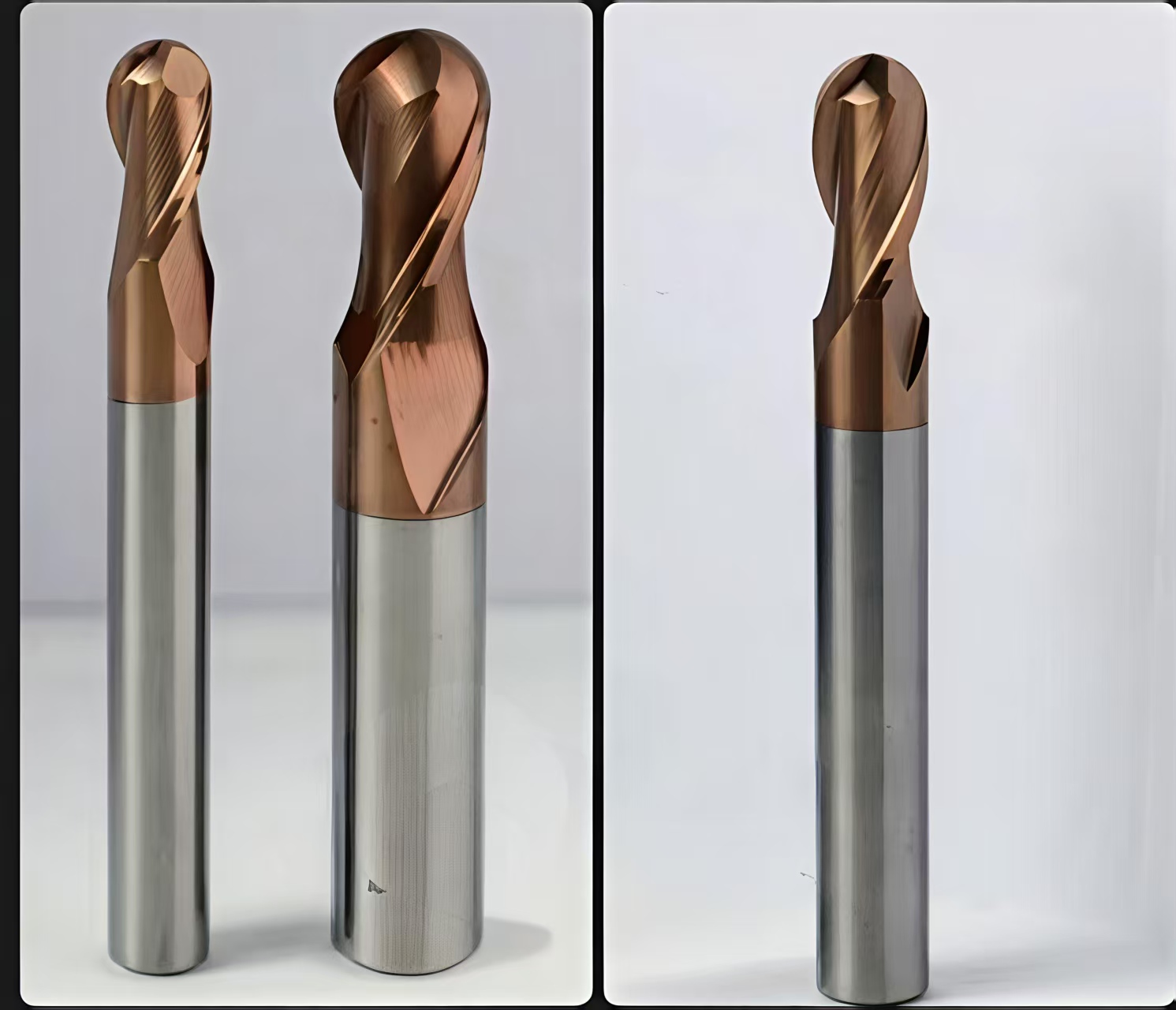
Browse solid carbide end mills. Send the cutter dimensions, material grade and hardness, operation, finish requirement and order quantity to request a quote or ask on WhatsApp.
Related guide corner-radius end mill guide.

2 Comments
Unlocking Steel Machining Efficiency: Why the CNMG120404-TM Insert is a Game-Changer for Modern Workshops - JY Best Carbide
[…] reliable milling counterpart is essential. We highly recommend exploring our premium selection of Tungsten Steel Ball End Mills. These ball nose end mills are crafted from high-grade tungsten carbide, ensuring exceptional […]
Why 60° Helix 4-Flute Carbide End Mills Are Your Best-Selling Inventory Item - JY Best Carbide
[…] polishing. For precision mold making, your customers can combine this flat mill with our premium carbide ball nose end mills for steel machining for perfect surface […]